
How to Grocery Shop for Healthy Eating on a Budget
Healthy grocery shopping on a budget starts before you enter the store: plan meals around affordable staples, buy produce strategically, and choose protein sources that match both nutrition needs and cost. The best list is practical enough to survive a busy week.
TL;DR: Build the cart around grains or starches, vegetables and fruit, protein, healthy fats, and simple flavor boosters. Budget eating works when the plan reduces waste, not when it depends on perfect willpower.
Why Budget Grocery Planning Often Fails
Most people do not overspend because they lack nutrition knowledge. They overspend because the cart is built from disconnected items: a snack here, a sauce there, a bag of greens with no planned meal, and a protein that does not match the week. The result is expensive food that still leaves people ordering takeout. A better approach begins with meal roles. Each item should help build breakfasts, lunches, dinners, or snacks that are realistic for the household.
USDA MyPlate budget resources encourage planning, comparing prices, and choosing nutrient-dense foods within financial limits. That guidance is useful because it treats healthy eating as a system rather than a luxury. For readers whose grocery habits connect to weight or body-composition goals, the article on realistic weight-loss goals can help separate food planning from extreme restriction.
The Budget Cart Framework
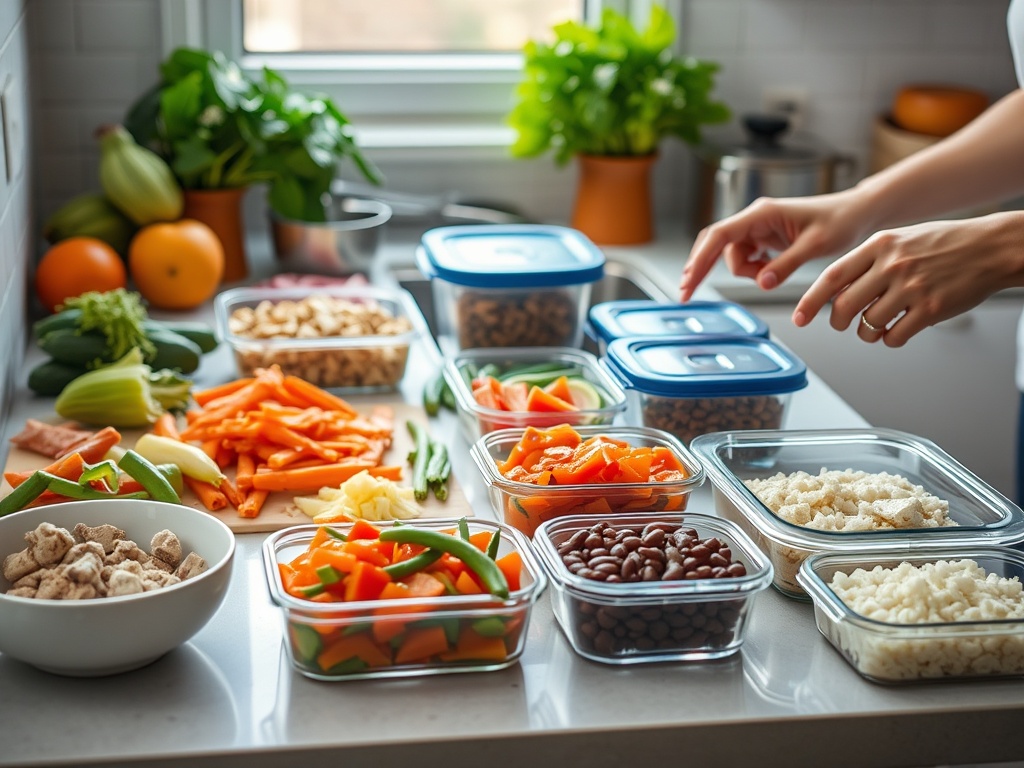
A balanced cart can be organized into five zones. First, choose two or three carbohydrate bases such as oats, rice, potatoes, whole-grain pasta, tortillas, or beans. Second, choose vegetables and fruit, using frozen options when fresh items are costly or likely to spoil. Third, choose protein: eggs, yogurt, tofu, beans, lentils, canned fish, chicken, turkey, or lean meat depending on preference. Fourth, include fats and flavor such as olive oil, nuts, seeds, avocado, cheese, salsa, herbs, or spices. Fifth, choose convenience helpers that prevent takeout, such as pre-washed greens or microwave grains when budget allows.
| Cart Zone | Budget-Friendly Examples | Why It Helps |
|---|---|---|
| Base foods | Oats, rice, potatoes, beans, pasta | Creates filling meals at low cost per serving. |
| Produce | Frozen vegetables, bananas, apples, carrots, cabbage | Adds fiber, color, and volume with less waste. |
| Protein | Eggs, lentils, tofu, yogurt, canned tuna, chicken thighs | Supports meals and training recovery. |
| Flavor | Salsa, spices, garlic, lemon, broth | Makes repeated ingredients feel different. |
| Backup meals | Soup kits, frozen vegetables, shelf-stable grains | Reduces emergency takeout spending. |
A Store Route That Saves Decisions
Start with the foods that anchor meals, not the foods that look interesting. If breakfast is oats and yogurt, buy those first. If lunch is rice bowls, choose rice, beans or chicken, vegetables, and sauce before adding extras. If dinner needs to be fast, pick one sheet-pan meal and one stovetop meal. This route prevents the list from turning into a collection of snacks and aspirational ingredients.
Nutrition for training does not need to be expensive. A person following a beginner leg day plan may simply need enough total food, protein at meals, and carbohydrates around harder sessions to feel steady. Specific needs vary, and people with medical conditions should follow clinician guidance, but most general fitness meals can be built from ordinary grocery items.
Mistakes to Avoid When Money Is Tight
- Buying large amounts of fresh produce without a plan for when each item will be eaten.
- Choosing only low-calorie foods, then feeling hungry and buying extra snacks later.
- Ignoring unit prices when comparing package sizes.
- Buying specialty health products before covering basic meals.
- Planning recipes that require too many one-use ingredients.
- Forgetting a backup dinner for the night when cooking energy is low.
The phrase healthy eating can be misleading if it sounds like every item must be fresh, organic, or expensive. Frozen vegetables, canned beans, store-brand oats, peanut butter, eggs, and plain yogurt can all fit into practical eating patterns. The better question is not whether the cart looks perfect. It is whether the food can become meals that you will actually eat before they spoil.
How to Build a Three-Day Starter List
For a simple three-day plan, choose one breakfast, two lunch formats, and two dinners. Breakfast might be oats with yogurt and fruit. Lunch might be bean-and-rice bowls or tuna wraps with carrots. Dinner might be eggs with potatoes and vegetables one night, then chicken or tofu stir-fry the next. Repeating ingredients is not a flaw. It is often how budget planning works. Variety can come from sauces, spices, and preparation methods rather than buying entirely different foods for every meal.
If supplements are part of the shopping conversation, treat claims carefully. The NIH Office of Dietary Supplements provides ingredient fact sheets that can help readers check basic safety and evidence before spending money. Supplements should not replace a workable grocery plan, especially for people whose main barrier is consistency, time, or food waste.
A Practical Checkout Test
Before paying, ask three questions: Do I have enough protein options for the meals I planned? Do I have vegetables or fruit that fit those meals? Do I have one backup meal for a difficult day? If the answer is no, adjust the cart before adding extras. A realistic next step is to write a meal list for only three days, shop from that smaller list, and track what gets eaten versus wasted. That feedback is more useful than a perfect plan that never repeats.
A price-conscious kitchen also benefits from flexible recipes. A bowl can use rice, potatoes, or pasta. Protein can be beans, eggs, chicken, tofu, or yogurt. Vegetables can be fresh, frozen, canned, or leftover. This flexibility prevents one missing ingredient from ruining the meal plan and sending the household back to takeout.
Keep a small list of meals that cost little and require minimal cooking. Examples include bean tacos, egg-and-potato bowls, yogurt with oats and fruit, lentil soup, tuna rice bowls, and frozen vegetable stir-fries. These are not the only healthy choices, but they show how ordinary foods can become repeatable meals.
Shopping frequency can also affect the budget. A weekly trip may work for pantry staples, while a small midweek produce top-up can reduce waste if fresh food spoils quickly in your household. The goal is not fewer trips at all costs. The goal is buying the amount of food you can realistically store, cook, and eat.
Compare convenience by total outcome, not just sticker price. Pre-cut vegetables may cost more per pound, yet they can be worth it if they prevent takeout on a busy night. On the other hand, expensive snack-sized health products may add cost without solving a meal problem. Budget planning is about tradeoffs, not purity.
If family preferences differ, use modular meals instead of separate meals. One pot of rice, one protein, vegetables, and two sauces can serve different tastes without multiplying the grocery bill. This keeps nutrition flexible while still controlling cost and waste.