
Audience Personas Mistakes That Lead to Poor-fit attendance
Poor-fit attendance usually starts before the promotion campaign, when audience personas are too broad, too flattering, or too disconnected from buying and participation behavior. Fixing the persona process helps event teams shape the invitation, program, pricing, and venue choices around the people most likely to benefit from the event.
TL;DR: Useful personas are planning tools, not decorative marketing slides. Tie each persona to decision triggers, constraints, access needs, content expectations, and measurable event goals.
Why Persona Errors Create the Wrong Room
A persona mistake becomes expensive because it changes almost every later choice: format, ticket price, agenda depth, speaker selection, accessibility planning, and promotion timing. Teams that want better fit should connect persona work to Seated Dinner vs. Cocktail-Style Gala before messaging begins, rather than treating audience research as a one-time creative exercise.
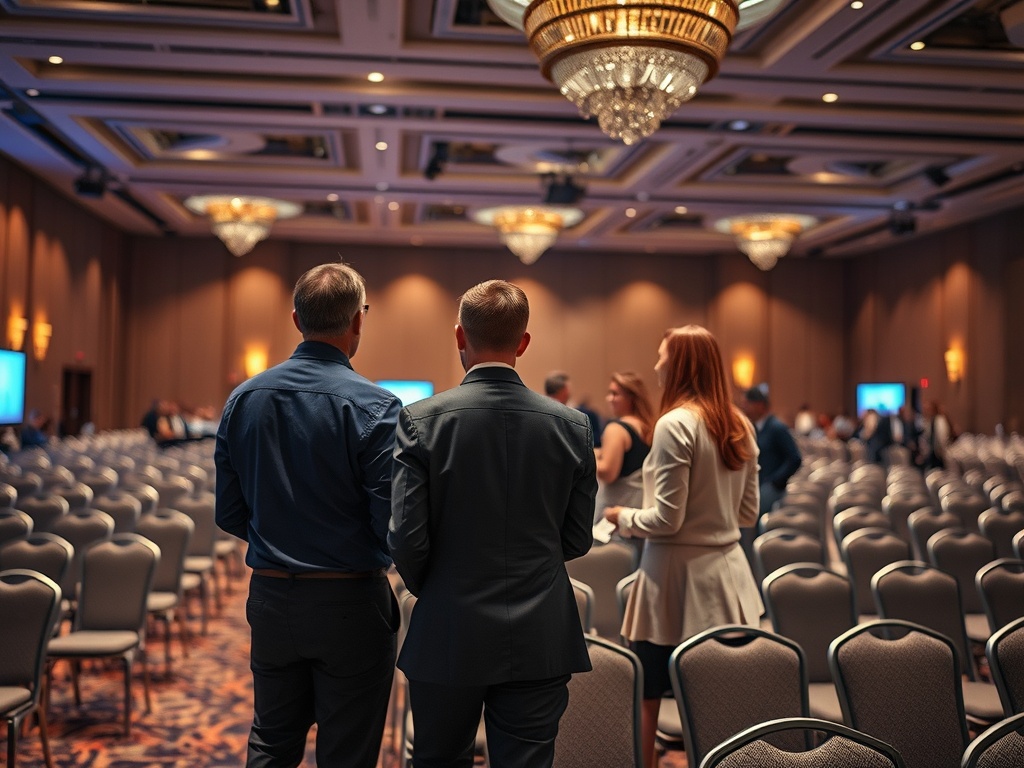
The most common warning sign is a registration list that looks full but not useful. Attendees may arrive with mismatched expectations, sponsors may meet the wrong buyers, speakers may pitch at the wrong level, and staff may spend the day answering questions the event was never designed to solve. That does not always mean the campaign failed. Often, the campaign did exactly what the persona allowed it to do: attract people who recognized the invitation but were not the strongest fit for the experience.
Mistake 1: Building Personas Around Demographics Alone
Age, job title, company size, location, and income can support segmentation, but they rarely explain why someone registers, attends, cancels, brings a colleague, upgrades, or stays for the closing session. A stronger persona includes the situation that creates urgency. For example, a venue operations leader, a nonprofit development director, and a brand marketing manager may all attend a gala planning session, but each person evaluates success differently.
Use demographics as context, then add behavior. Ask what the attendee needs to decide, what risk they are trying to reduce, what internal pressure they face, and what kind of evidence makes them trust an event. That shift helps teams avoid generic programming and makes the promotional promise easier to prove.
Mistake 2: Confusing Aspirational Audiences With Reachable Audiences
Many event teams describe the audience they wish they had, not the audience their topic, price, date, geography, and channel mix can realistically reach. A premium leadership summit may want senior executives, but if the agenda reads like a beginner workshop, the strongest prospects may ignore it. A community event may want families, but if the schedule conflicts with school routines or local transit patterns, attendance quality may suffer.
This is where accessibility and logistics become part of audience strategy. The ADA National Network temporary events guide explains practical planning considerations for temporary events, including common barriers and ways to coordinate resources. Persona work should include access needs, travel limits, timing sensitivity, and digital usability, not only marketing language.
Mistake 3: Treating Sponsors and Attendees as One Audience
Sponsors, exhibitors, speakers, press, VIPs, volunteers, and attendees may all interact with the same event, but they do not judge value through the same lens. A sponsor may care about qualified conversations and reporting. An attendee may care about practical insight, social comfort, cost, and schedule control. A speaker may care about audience level and session format. Blending these groups into one persona creates vague decisions and weak accountability.
Create separate stakeholder profiles for each group that materially affects the event outcome. Then map where those profiles overlap. The overlap is useful for shared messaging. The differences are useful for ticket tiers, sponsor deliverables, staffing plans, and reporting.
Safeguards That Keep Personas Honest
- Interview recent attendees, non-attendees, sponsors, sales teams, and front-line registration staff before finalizing assumptions.
- Add exclusion criteria. Define who the event is not for so promotion does not chase irrelevant volume.
- Review refund requests, abandoned registrations, post-event survey comments, and session attendance patterns.
- Pressure-test the persona against price, date, venue, travel needs, and content depth.
- Assign one owner to maintain persona evidence as new data arrives.
When the event includes physical attendance, persona safeguards should also connect to Best Practices for Venue Selection and Site Visits in Modern Event Planning because site access, session movement, seating, and arrival routes affect who can comfortably participate.
A Simple Persona Repair Workflow
1. State the decision the persona must improve, such as program design, price, sponsor fit, or channel selection.
2. Gather evidence from existing data before inventing new labels.
3. Write the persona in one paragraph, including goal, blocker, trigger, and preferred proof.
4. Review the event promise against the persona and remove claims that do not match.
5. Measure fit after the event using attendance quality, engagement, retention, and stakeholder feedback.
The goal is not to make personas longer. The goal is to make them operational. A persona that helps the team say no to the wrong content, wrong price, wrong channel, or wrong room layout is more valuable than a polished profile nobody uses.
Turn Better Personas Into Better Attendance
Before the next campaign launches, review one persona and ask what it changes. If it does not change the agenda, offer, venue, ticketing flow, or follow-up plan, it is probably not specific enough. Start there, update the evidence, and use the revised persona to protect attendance quality before promotion scales.
Event information disclaimer: This article is for informational and educational purposes only. It is not legal, financial, travel, immigration, security, accessibility, or contractual advice. Verify event details, venue rules, ticket terms, schedules, safety requirements, and accessibility obligations directly with official organizers, venues, qualified advisors, and relevant authorities before making commitments.