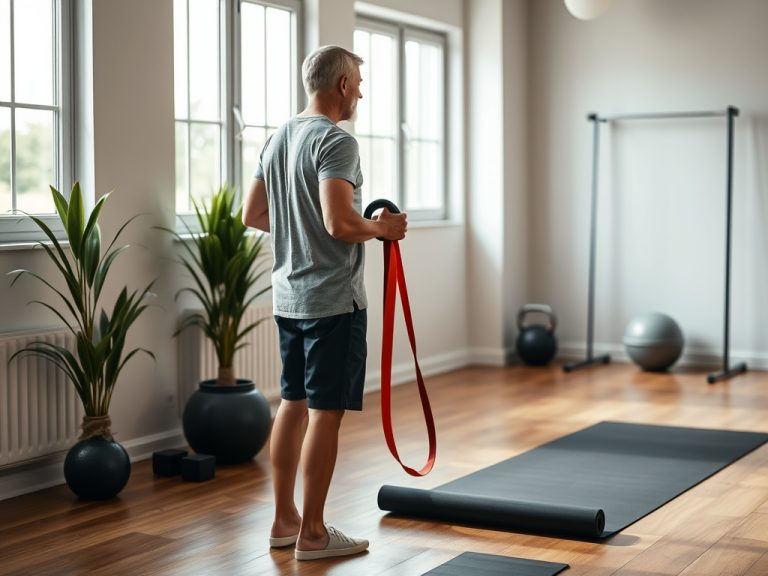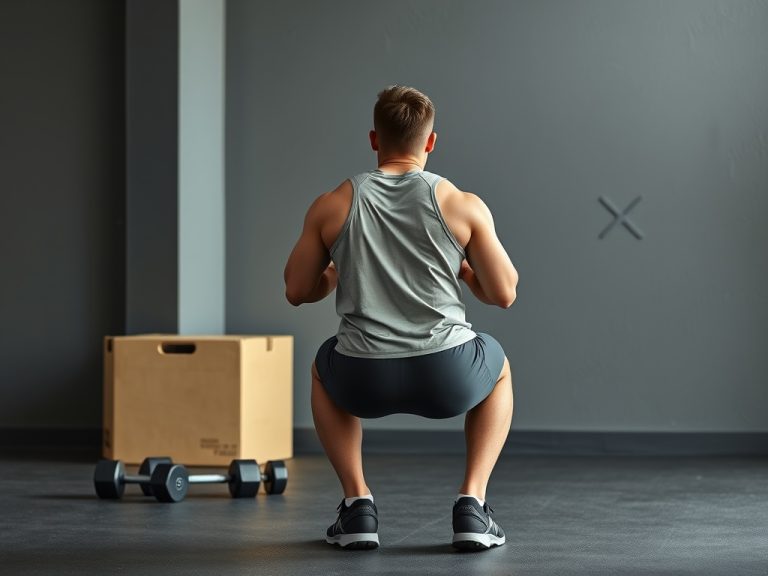
How to Build Confidence in the Gym When You Feel Self-Conscious
Gym confidence is built through familiarity, small repeatable actions, and a plan that reduces uncertainty. Feeling self-conscious is common, but it does not have to control how you train.
TL;DR: Choose a simple workout, learn the layout, practice during quieter hours if possible, and measure success by showing up with a plan. Confidence usually follows repeated evidence that you can handle the environment.
Why the Gym Can Feel Intimidating
A gym combines mirrors, unfamiliar equipment, noise, people who seem experienced, and the fear of doing something wrong in public. That mix can make beginners feel watched even when most people are focused on themselves. The emotional reaction is real, but it is not proof that you do not belong. It is a sign that the environment is new and the brain is scanning for social risk.
Mental fitness advice should not be framed as a guaranteed cure for anxiety. Some people may need support beyond basic confidence strategies, especially if fear prevents normal activities. For many beginners, however, reducing uncertainty is enough to make the first month easier. A simple plan like the beginner leg day workout can remove the hardest decision: what to do when you arrive.
Start With a Map, Not Motivation
Before the first session, learn where the entrance, lockers, cardio area, dumbbells, mats, and machines are. If the gym offers a tour, take it. If not, walk through once without training. This is not wasted time. Familiarity lowers the number of decisions you must make under pressure. The goal of the first visit may simply be to enter, identify three areas, and leave knowing where your next workout will happen.
- Pick three exercises before arriving.
- Write the order in your phone or notebook.
- Choose one backup exercise for each movement.
- Set a time cap so the session cannot spiral.
- Leave after completing the plan, not after comparing yourself to others.
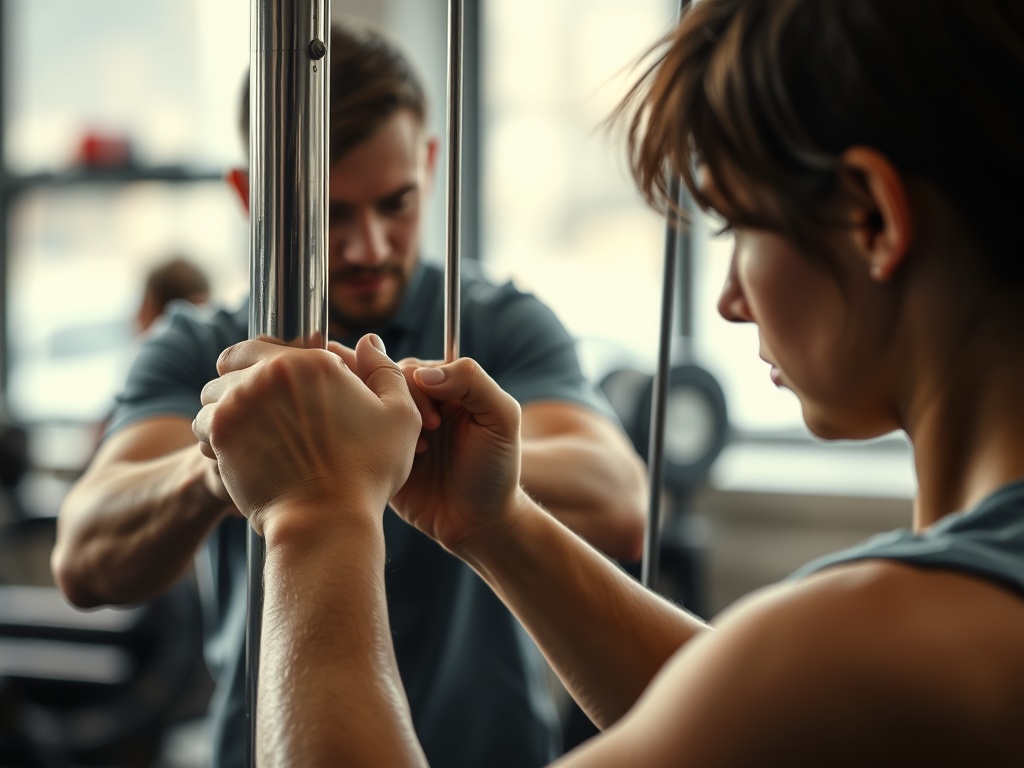
A First-Month Confidence Ladder
| Week | Primary Goal | Success Marker |
|---|---|---|
| Week 1 | Learn the space and complete short sessions | You know where to go and what to do first |
| Week 2 | Repeat the same workout twice | Exercises feel less unfamiliar |
| Week 3 | Add one new machine or free-weight movement | You can ask or look up one setup detail calmly |
| Week 4 | Track one performance marker | You notice progress in reps, control, or comfort |
This ladder works because it separates confidence from perfection. You do not need to look experienced to become experienced. You need enough repeated exposure to prove that mistakes are manageable. If a machine setup is unclear, asking staff is normal. If a weight is too heavy, lowering it is normal. If a movement feels awkward, choosing a simpler version is normal.
What to Do When You Feel Watched
Use an attention anchor. Count controlled breaths between sets, check the next exercise, or focus on one technique cue such as steady feet or slow lowering. The point is not to pretend nobody exists. It is to give your attention a job. Wearing headphones, training during off-peak times, or choosing a corner station can also help, but these are tools, not requirements.
If weight goals are part of the pressure you feel, read how to tell if your weight-loss goal is realistic before turning the gym into a place of self-criticism. Training tends to be more sustainable when it is connected to strength, energy, mobility, health, or skill rather than punishment.
How to Handle Equipment Confusion
Machines usually have adjustment points for seat height, pad position, or range. If written instructions are present, read them, but avoid relying on tiny diagrams if they make you more anxious. Ask a staff member, book an introductory session, or choose dumbbell and bodyweight exercises that are easier to set up. Safety matters more than pretending to know everything.
The CDC adult activity guidance can help normalize the idea that movement has many acceptable forms. A gym is only one setting. If confidence builds slowly, walking, home training, outdoor workouts, or community classes can still support fitness. The gym becomes more useful when it feels like an option rather than a test.
Social Comparison Traps to Avoid
- Assuming everyone else is judging your form or body.
- Changing your plan because another person is lifting more.
- Copying advanced exercises without understanding the purpose.
- Using soreness or exhaustion as proof that you earned your place.
- Waiting to feel confident before practicing the behaviors that create confidence.
A Calm Way to Keep Returning
After each session, record one completed action, not a full emotional review. Examples: walked in, warmed up, used dumbbells, asked a question, completed two sets, left on schedule. These small records become evidence. Confidence grows when the proof pile gets larger than the fear story. The next step is to choose one short workout, repeat it for two weeks, and let familiarity do some of the work.
Clothing can be used as a comfort tool without turning into another source of pressure. Wear items that let you move, stay covered in the way you prefer, and avoid constant adjusting. Confidence is easier to build when your attention is not split between the exercise and whether your outfit feels secure.
It may also help to define an exit plan. Knowing you can leave after twenty minutes reduces the pressure of starting. Many people stay longer once they begin, but the permission to complete a short session makes the first step less intimidating.
A training partner can help, but choose carefully. The best partner for confidence is not always the fittest person you know. It is someone patient, punctual, and willing to follow the plan instead of turning the session into a comparison. A calm partner can make the gym feel more predictable.
If you make a mistake, practice a neutral script: “I am learning this setup,” “I am using a lighter version today,” or “I will ask staff.” Short scripts reduce the mental spiral that often follows embarrassment. Most gym mistakes are ordinary and quickly forgotten by everyone else.
Confidence can also be built outside the building. Practice bodyweight versions at home, watch one reliable exercise setup video, or write the workout in order before leaving. Preparation lowers the number of unknowns, and fewer unknowns usually means less self-consciousness.
Remember that belonging is not granted by appearance, strength level, or experience. Paying for access, respecting shared equipment, and training safely are enough. The gym is a practice space, and practice spaces are meant for people who are still learning.
Choose progress markers that reduce pressure: number of visits, exercises completed, questions asked, or minutes spent practicing. These markers are controllable and kinder than judging confidence by how fearless you felt on a given day.