How to Train for Better Daily Function, Not Just Better Workouts
Training for better daily function means choosing exercises that make ordinary tasks easier: standing, carrying, reaching, climbing, balancing, and getting down to the floor. The workout still builds fitness, but the test is usefulness outside the gym.
TL;DR: Functional training is not a special category of flashy exercises. It is a practical way to train strength, mobility, balance, and endurance for the movements daily life already requires.
What Daily Function Actually Means
Daily function includes the physical tasks that help people stay independent and comfortable: rising from a chair, lifting groceries, carrying laundry, walking uphill, stepping over obstacles, turning to reach a shelf, and recovering balance after a stumble. These tasks may not look athletic, but they require coordination between joints, muscles, and the nervous system. A program aimed at function should train those qualities in clear patterns.
The National Institute on Aging provides exercise resources for older adults that include endurance, strength, balance, and flexibility. That combination overlaps strongly with functional training. Younger adults can use the same idea before decline becomes obvious. For a broad model, see how the four pillars of fitness work together, which explains why one fitness quality rarely solves everything alone.
The Six Daily-Life Movement Categories
| Daily Task | Training Pattern | Example Exercise |
|---|---|---|
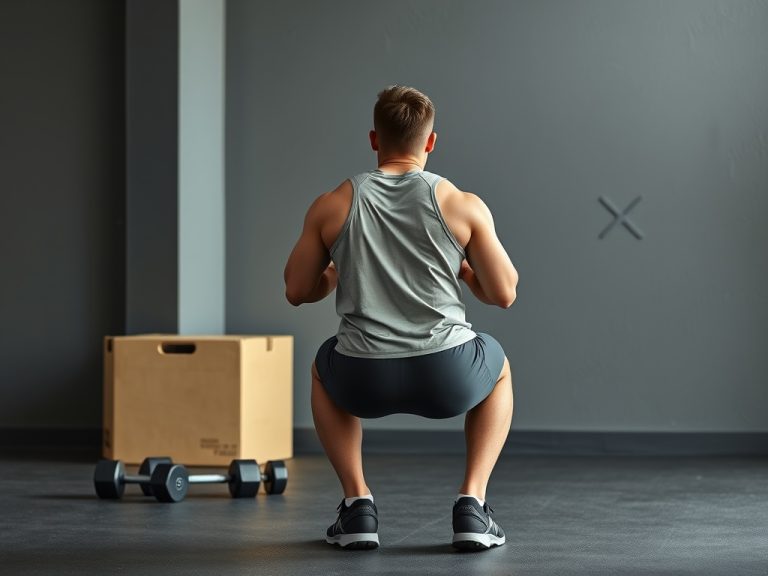
| Standing from a chair | Squat pattern | Box squat or sit-to-stand |
| Picking items from the floor | Hinge pattern | Hip hinge or Romanian deadlift |
| Carrying groceries | Carry pattern | Suitcase carry or farmer carry |
| Climbing stairs | Step pattern | Step-up or split squat |
| Reaching and turning | Rotation and reach | Cable chop, wall reach, thoracic rotation |
| Avoiding a stumble | Balance and reaction | Tandem stance, step-down, controlled direction change |
The exercises do not need to mimic daily tasks perfectly. A suitcase carry is not the same as carrying groceries, but it trains grip, trunk control, posture, and walking under load. A box squat is not the same as leaving a car, but it trains controlled standing. The connection is functional transfer, not theatrical imitation.
A Beginner Functional Session
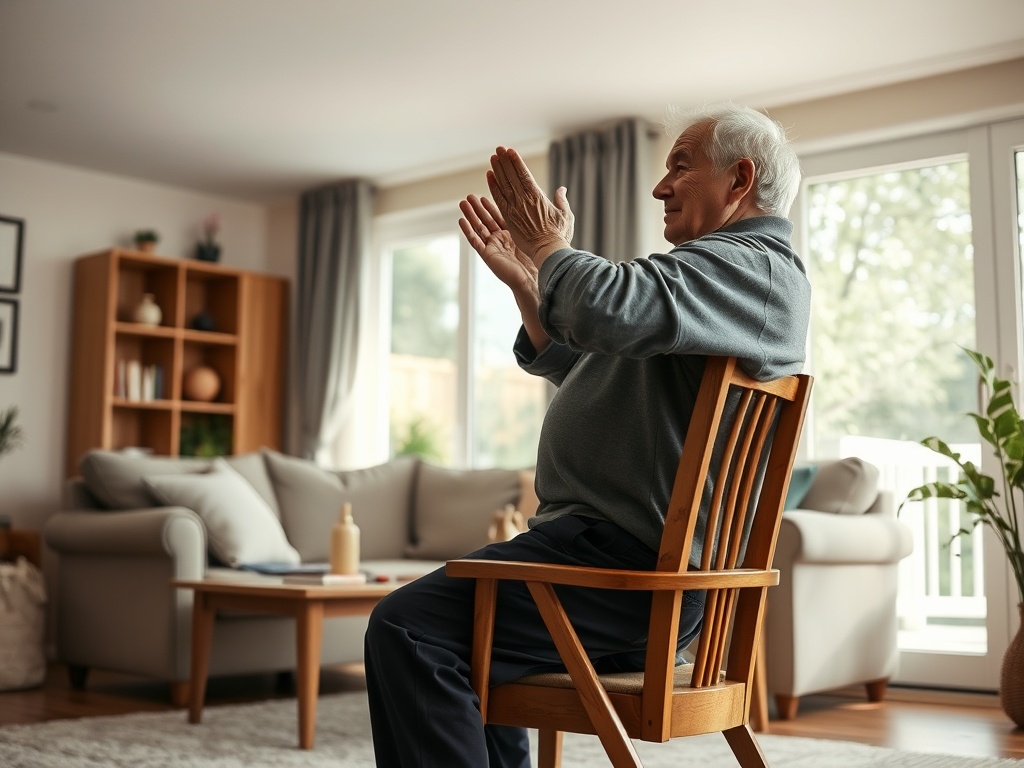
A basic workout can be completed two or three times per week. Start with easy walking or cycling for five minutes, then add joint preparation for ankles, hips, shoulders, and upper back. Choose one exercise from each major category and keep the first month focused on control. The session should be challenging enough to matter but not so hard that the next day feels like a penalty.
1. Box squat: 2 to 3 sets of 6 to 10 controlled reps.
2. Hip hinge with dumbbells or bodyweight: 2 to 3 sets of 8 reps.
3. Step-up or supported split squat: 2 sets of 6 to 8 reps per side.
4. Suitcase carry: 3 short walks per side.
5. Wall push-up or elevated push-up: 2 sets of 8 to 12 reps.
6. Tandem stance or slow step-down: 2 short practice rounds.
Someone who already trains can add functional emphasis without replacing everything. Put carries after main lifts, add step-downs to warmups, or include mobility between sets. If fatigue is high, a planned deload can protect consistency while keeping movement practice in place.
How to Measure Function Without Fancy Tests
Useful markers include how easily you stand from a chair, whether stairs feel smoother, how stable you feel carrying uneven bags, and whether you can get to the floor and back up with confidence. These observations are not clinical assessments, but they can help track everyday change. More formal testing should be handled by qualified professionals, especially after falls, surgery, neurological symptoms, or persistent pain.
Cardio still belongs in a functional plan because daily life often requires sustained movement. Walking, cycling, swimming, or low-impact conditioning can build stamina for errands, travel, hikes, and household work. If low-intensity endurance feels confusing, aerobic base training explains why slower work can still be productive.
Common Misconceptions About Functional Training
- It does not require unstable surfaces for every exercise.
- It is not only for older adults or rehabilitation settings.
- It does not mean avoiding heavy strength work forever.
- It should not ignore mobility, balance, or endurance.
- It works best when movements are simple enough to repeat well.
One risk is making functional training too random. If every workout uses different gadgets, progress becomes hard to measure. Another risk is making it too easy by never increasing load, range, or complexity. The middle path is progressive practicality: start with stable versions, add reps or load gradually, then challenge coordination once the basics are reliable.
A Case-Style Example
Imagine a beginner who wants stairs to feel easier and worries about carrying groceries. The plan might include box squats, step-ups, suitcase carries, easy walking, and ankle mobility twice per week. After four weeks, the person reviews whether stair climbing feels smoother and whether carry distance improved. This is a practical case example, not a guaranteed result, but it shows how daily-life goals can shape exercise choices.
Keep the Goal Visible
The next step is to choose one daily task you want to improve and match it to two exercises. Train those movements consistently for a month, then review the real-world task again. Better workouts are valuable, but better function is the outcome that follows you out of the gym.
Functional goals should be specific enough to train. “Move better” is a good desire, but “stand from a low chair without using hands” or “carry groceries from the car without stopping” is easier to match with exercises. Specific tasks make progress visible and reduce the temptation to chase random workout trends.
Environment matters too. A person who lives in a walk-up apartment needs different emphasis from someone who sits most of the day or cares for young children. The exercises can remain simple, but the plan should reflect the tasks that create the most friction in daily life.
Functional training should include the floor if that task is relevant. Getting down and standing up safely can matter for gardening, playing with children, home repairs, or recovering after a stumble. Start with supported versions, such as using a bench or sturdy surface, and progress only when control improves.
Carrying is often underrated because it looks simple. A loaded carry trains grip, posture, breathing, trunk stiffness, and gait at the same time. It can be scaled with a light bag, kettlebell, dumbbell, or even a backpack. The key is upright posture and steady steps, not maximum load.
Functional training also benefits from footwear and environment checks. If balance drills are practiced on a slippery floor or in unstable shoes, the challenge may come from poor setup rather than useful training. Choose safe conditions first, then add difficulty gradually.
Small environmental changes can support functional goals too. Clearing tripping hazards, choosing sturdy chairs for practice, and keeping commonly used items within safe reach can complement training. Exercise builds capacity, while the environment can reduce unnecessary risk.