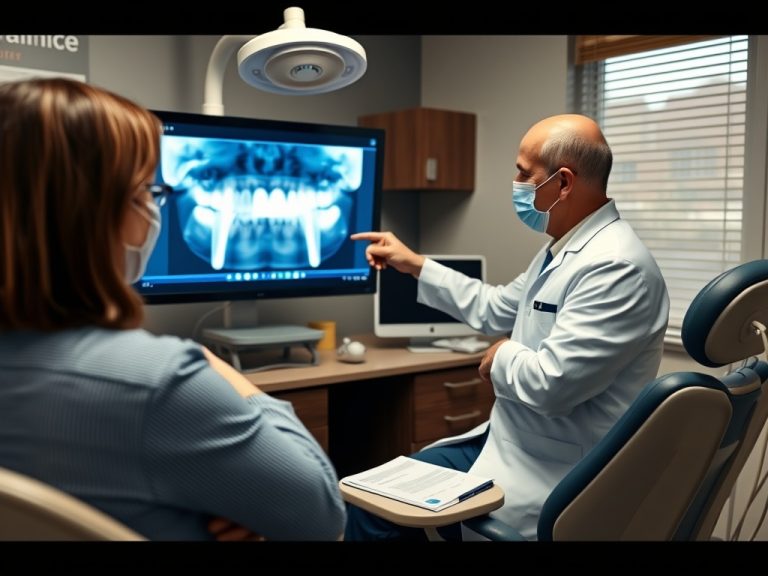
How Dentists Match Crown Color to Natural Teeth
How Dentists Match Crown Color to Natural Teeth
Dentists match crown color by comparing your natural teeth under controlled lighting, using shade guides and, in many offices, digital tools such as shade-matching devices or intraoral scanners. The goal is not only to copy one color chip. It is to match brightness, hue, translucency, surface texture, and how the tooth looks next to its neighbors.
TL;DR: Good crown shade matching is part science and part communication. Timing, lighting, photographs, and lab instructions matter just as much as the shade tab number.
The basic step-by-step process
Most dentists follow a sequence like this:
1. Choose the right timing. Shade is often selected before the tooth is dried out too much, because dehydrated enamel can look temporarily lighter. 2. Clean the tooth surface so plaque or lipstick does not distort color. 3. Compare the tooth to a shade guide in neutral lighting, often quickly and repeatedly rather than staring too long. 4. Check nearby teeth, because the crown has to fit the whole smile, not just one spot. 5. Take photos or digital measurements if the case is in a visible area. 6.
Front teeth often need the most detailed communication because tiny color differences show more there than on back teeth.
Why lighting and timing matter
Tooth color changes with lighting conditions, and research reviews on shade selection consistently note that light source, observer fatigue, and the tool used can affect accuracy. Many dentists prefer neutral daylight-corrected lighting or a dedicated color-correcting light because yellow room light can make teeth look warmer than they are.
They also try to choose shade before long procedures leave a tooth dehydrated. A dry tooth can appear chalkier and brighter, which risks a crown that later looks too light once the tooth rehydrates.
What tools dentists use
A traditional shade guide is still common and often works well in experienced hands. Digital tools can add more consistency, especially for difficult esthetic cases, because they measure tooth color objectively and can help communicate with the lab.
If shade selection is part of a larger cosmetic timeline, How to Plan Cosmetic Dental Treatment Before a Wedding or Big Event can help you map what usually needs to happen first.
For supporting context on How Dentists Match Crown Color to Natural Teeth, review MouthHealthy. Then compare the linked guidance with the examination findings for How Dentists Match Crown Color to Natural Teeth when a second opinion is considered, and ask which details do not apply to the current case.
The strongest result often comes from combining methods: visual matching, digital confirmation, and photographs taken with consistent exposure and a neutral background.
Common mistakes that can spoil the match
A crown can miss the mark when shade is chosen under poor lighting, after the tooth dries out, without checking adjacent teeth, or without explaining whether the patient wants the crown to match the current smile or a future whitening plan.
Another common mistake is focusing only on color and ignoring shape, gloss, and texture. A crown can technically match the shade tab and still look artificial if the surface is too flat, too opaque, or too smooth compared with the neighboring teeth.
What patients can do before the appointment
Do not try to manage shade matching on your own beyond giving clear feedback. Your role is to show up with clean teeth, mention any planned whitening, and tell your dentist what bothers you most about the tooth now.
If you are planning smile improvements around a big date, timing matters. Whitening after the crown is made will not whiten the crown itself, so it is smart to read how to plan cosmetic dental treatment before a wedding or big event before you commit.
Questions About Dentists Match Crown Color Natural Teeth
When How Dentists Match Crown Color to Natural Teeth is reviewed, ask the dentist to connect each recommendation to the examination findings and compare reasonable alternatives. Before leaving the discussion of How Dentists Match Crown Color to Natural Teeth, confirm the first step, expected follow-up, and warning signs that justify earlier contact before consent is finalized.
If two dentists recommend different materials or timing, use our guide on how to compare two different dental treatment plans to organize your questions about esthetics, longevity, cost, and future maintenance.
Questions to ask at the shade appointment
Ask which tooth the crown will be matched to, whether the dentist expects to use a stain or translucency map, and whether the lab will receive photos. If the crown is for a front tooth, ask if there will be a try-in stage or a way to adjust the characterization before final cementation.
Also ask how your current habits affect the match. Coffee, tea, smoking, whitening strips, and old restorations can all change the visual context around the tooth even when the crown itself is well made.
Why communication matters as much as color science
Patients often say 'make it whiter' when what they really mean is 'make it blend better.' Those are not always the same thing. A single bright crown next to naturally warm teeth can draw more attention, not less.
That is why the best shade match starts with a shared target: do you want the restoration to match your current smile, a future whitened smile, or a sibling tooth that already has natural variation? Once that goal is clear, the technical tools become much more useful.
How the dental lab affects the result
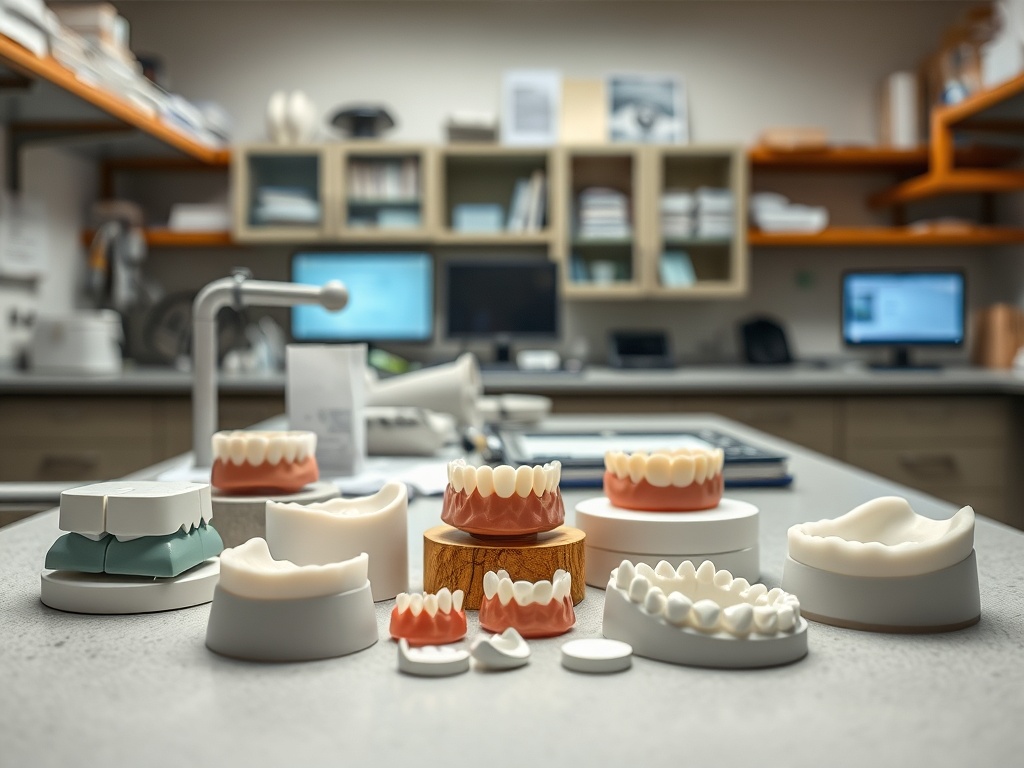
Even perfect shade selection in the chair can be lost if the lab does not receive enough information. Ceramists need to know where a tooth is brightest, where it is more translucent, whether there is a warm cervical area near the gumline, and whether neighboring teeth have craze lines or subtle gray edges.
That is why close-up photographs and precise lab notes can matter more than patients realize. They help turn a shade name into a restoration that behaves like a real tooth in natural light.
Why a temporary crown may not tell the full esthetic story
Temporary crowns help with shape and basic function, but they often do not reproduce the final translucency and surface detail of the finished material. Patients sometimes panic during the temporary phase because the color is off, even though that does not reflect the final result.
It is still worth giving feedback during the temporary stage, especially about shape and length, but ask your dentist which esthetic details are provisional and which ones are intended to carry through.
How to improve the odds of a natural-looking result
Crown color matching works best when the dentist, patient, and lab are solving the same esthetic problem with the same reference point. It is more than choosing 'white enough.' It is about making the restoration disappear into the smile under normal light and at normal conversation distance.
Shade-planning checklist for your consult: if a visible crown is being planned, ask when the shade will be selected, whether photos or digital shade tools will be used, and how any future whitening could affect the result.