How to Compare Two Different Dental Treatment Plans
How to Compare Two Different Dental Treatment Plans
When two dentists give you different treatment plans, the goal is not to figure out which one sounds more impressive. The goal is to understand what each plan is trying to solve, what trade-offs it accepts, and what evidence each clinician used to make the recommendation.
TL;DR: Compare diagnosis, urgency, goals, alternatives, longevity, maintenance, and cost separately. A cheaper plan is not always worse, and a more complex plan is not always better.
Start with the diagnosis, not the procedure
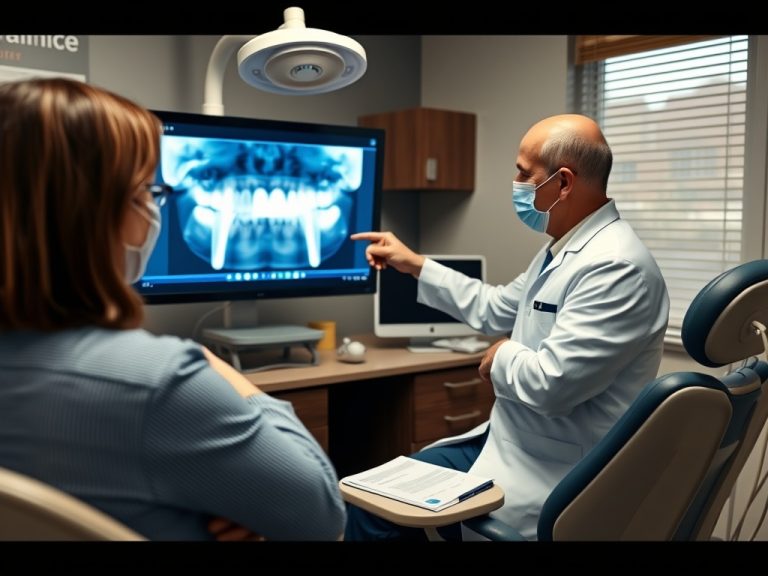
Before comparing crowns, implants, aligners, extractions, or gum treatment, make sure both dentists are solving the same diagnosed problem. Ask each office to explain the condition in plain language and show you the x-rays, photos, probing depths, or fracture findings that support the plan.
If one dentist says a tooth is restorable and another says it is not, that is the real disagreement. The procedure list is downstream from that.
Use a side-by-side checklist
Compare each plan using the same categories:1. Main problem being treated2. Whether treatment is urgent, soon, or optional3. Conservative option versus definitive option4. Expected maintenance and follow-up5. Risks and likely compromises6. What happens if you delay7. Cost estimate and what insurance may or may not cover
ADA guidance on informed consent stresses discussing risks, benefits, and alternatives in advance, which is exactly what a good comparison should surface.
A comparison table that keeps you honest
A fast way to spot the practical differences
Look beyond the headline price
Two plans can differ in upfront price because they differ in scope, timing, or materials. One may be staged and conservative. Another may aim for a longer-term rebuild. Cost still matters, but it is only one variable.
If one plan includes visible crowns or cosmetic changes, How Dentists Match Crown Color to Natural Teeth can help you ask better follow-up questions about appearance and materials.
If insurance is involved, do not confuse benefit estimates with clinical value. ADA has written about least expensive alternative treatment clauses because benefit plans may pay based on a lower-cost option even when you and your dentist choose something else.
Questions that reveal the real differences
When How to Compare Two Different Dental Treatment Plans is reviewed, ask the dentist to connect each recommendation to the examination findings and compare reasonable alternatives. For How to Compare Two Different Dental Treatment Plans, explain whether comfort, function, appearance, durability, cost, or a conservative approach matters most before the next appointment is booked.
If esthetics is part of the decision, details such as crown shade matching may matter as much as the procedure itself. If the decision is mostly financial, read our article on preauthorization vs predetermination before you rely too heavily on any estimate.
Comparing Options for Compare Two Different Dental Treatment Plans
Routine comparison is appropriate when both plans address a stable problem and the disagreement is mostly about timing, materials, or scope. Move faster when one or both dentists suspect infection, uncontrolled pain, a cracked tooth threatening split, or suspicious oral tissue changes that need biopsy or referral. In those cases, delay can cost you options.
Our oral cancer screening guide is a good example of a situation where the next step may be less about shopping for treatment and more about timely diagnosis.
Why second opinions can both help and confuse
A second opinion can protect you from overtreatment, undertreatment, or simply a plan that does not fit your priorities. But it can also create confusion if the second dentist is seeing you at a different point in the disease process or using a different philosophy of care.
That is why records matter. X-rays, photos, and a written rationale make it much easier to compare substance instead of tone or bedside manner.
Questions that often decide the tie-breaker
Should I always choose the more conservative plan? Not always. Conservative is attractive, but only when it still addresses the problem predictably.
Should I always choose the specialist’s plan? Not automatically. The reasoning and evidence still matter.
What if I still cannot decide? Ask each office what specific finding would make them switch to the other plan. The answer often reveals how flexible or fragile each recommendation really is.
How patient priorities should shape the choice
One patient may value tooth preservation above all else. Another may prioritize fewer appointments, lower short-term cost, or the most esthetic result. The better plan on paper is not always the better plan for the person living with it.

That does not mean preferences override diagnosis. It means a sound diagnosis can still support more than one reasonable path depending on what trade-offs matter most to you.
A final check before saying yes
Before you commit, try explaining the plan back to the dentist in your own words: what problem is being treated, why this approach was chosen, what the main alternative is, and what you are giving up by not choosing it. If that summary falls apart, you probably need more explanation before moving forward.
Confident decisions usually feel clearer, not more pressured, after that conversation.
How to keep the conversation productive
When seeking a second opinion, try to avoid framing it as one dentist 'saying the other is wrong.' A better approach is to ask each clinician what findings support their recommendation and what trade-offs led them there.
That keeps the focus on diagnosis and decision quality rather than personalities, and it usually gets you more useful information.
Comparing Options for Compare Two Different Dental Treatment Plans During Planning
If the disagreement is significant, such as save versus extract, wait versus treat now, or crown versus implant, the tie-breaker should often be better records rather than louder persuasion. That may mean updated x-rays, periodontal charting, a crack evaluation, or specialist input.
More information does not always make the answer simple, but it does make the comparison fairer and more clinically grounded.
What a good final decision usually feels like
Even if the treatment is not simple, the final choice should feel understandable. You should be able to say what problem is being treated, why you chose this option, and what you are agreeing to maintain after it is done.
When that level of clarity is missing, it is usually worth one more question or one more records-based opinion before you proceed.
How to choose with more confidence and less pressure
The best dental treatment plan is the one that matches the correct diagnosis, your priorities, your ability to maintain it, and the level of intervention the problem truly needs. A good comparison creates clarity. It should not leave you feeling rushed, confused, or talked into a procedure you still do not understand.
How to compare the options more clearly: ask both offices for written summaries, line them up with the same checklist, and focus first on the diagnosis and the reason behind the recommendation before you compare cost or convenience.