How to standardize tools across crews without hurting productivity
Standardizing tools across crews improves productivity when it makes work easier to plan, stock, repair, train, and supervise. It hurts productivity when leadership chooses one tool list without understanding the tasks, crew preferences, site constraints, and safety requirements behind the work.
Crew Tooling Takeaway: Tool standardization should reduce friction, not force every crew into the same setup when tasks, trades, and site conditions differ.
- The strongest programs standardize core platforms, safety requirements, consumables, maintenance routines, and inventory data while allowing justified exceptions.
- Field input is essential because the wrong standard can slow work, increase workarounds, and create safety risks.
Define what standardization should solve
The first question is not 'Which brand should we buy?' It is 'What problem are we trying to reduce?' Common goals include fewer missing tools, simpler battery management, faster onboarding, lower repair costs, safer operation, consistent cut quality, easier storage, and better inventory control. If the goal is unclear, the program can become a purchasing exercise rather than a field productivity improvement.
OSHA's hand and power tools materials remind employers that tool hazards can cause serious injuries when tools are used or maintained improperly. The agency's hand and power tools overview is a useful safety anchor: standardization should include guarding, inspection, training, PPE, and maintenance expectations, not only SKU reduction.
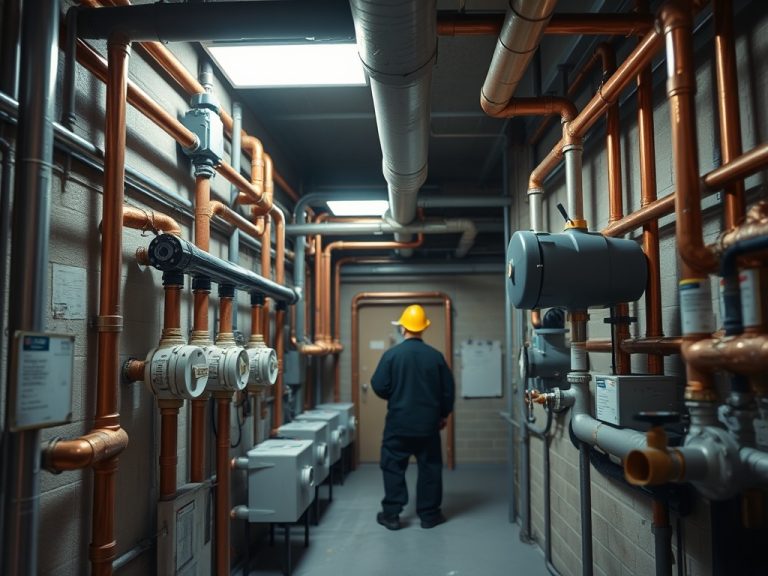
A strong program separates core standards from trade-specific flexibility. A company may standardize battery platforms, chargers, extension cord rules, labeling, storage bins, inspection tags, dust attachments, and common hand tools. At the same time, it may allow specialty crews to use unique torque tools, diagnostic kits, roofing tools, plumbing equipment, or confined-space accessories when the work demands it. This matters for teams that support commercial plumbing systems because a general carpentry tool list will not cover backflow testing, pipe joining, drain cleaning, or valve work.
Build the standard around work categories
| Category | What to standardize | Where to allow exceptions |
|---|---|---|
| Power platform | Battery voltage family, chargers, labeling, spare battery count, storage rules | Specialty high-demand tools, manufacturer-required systems, remote sites |
| Hand tools | Core layout tools, measuring tools, cutters, wrenches, screwdrivers, hammers | Trade-specific grips, sizes, insulated tools, torque tools |
| Safety accessories | Guards, dust collection, GFCI practices, lighting, PPE compatibility | Task-specific controls based on hazard assessment |
| Consumables | Common blades, bits, discs, fasteners, anchors, filters | Material-specific products and engineered fastener requirements |
| Maintenance | Inspection frequency, cleaning, calibration triggers, repair tags | Manufacturer-specific service intervals or certified calibration |
| Inventory data | Tool ID, assigned crew, location, condition, repair history | Special project tools with temporary tracking rules |
This category approach prevents over-standardization. It lets the company simplify the parts of the system that create waste while preserving the tools that make specialized work productive. It also helps purchasing avoid false savings. A cheaper tool that burns through batteries, breaks bits, increases vibration exposure, or produces poor cuts may cost more in lost time than it saves at purchase.
The OSHA Hand and Power Tools publication is a practical reminder that safe tool use includes inspection, guarding, electric tool precautions, pneumatic tool practices, and abrasive wheel safety. When a company standardizes tools, those requirements should be embedded into training cards, toolbox talks, and daily inspection routines.
Bring crews into the selection process
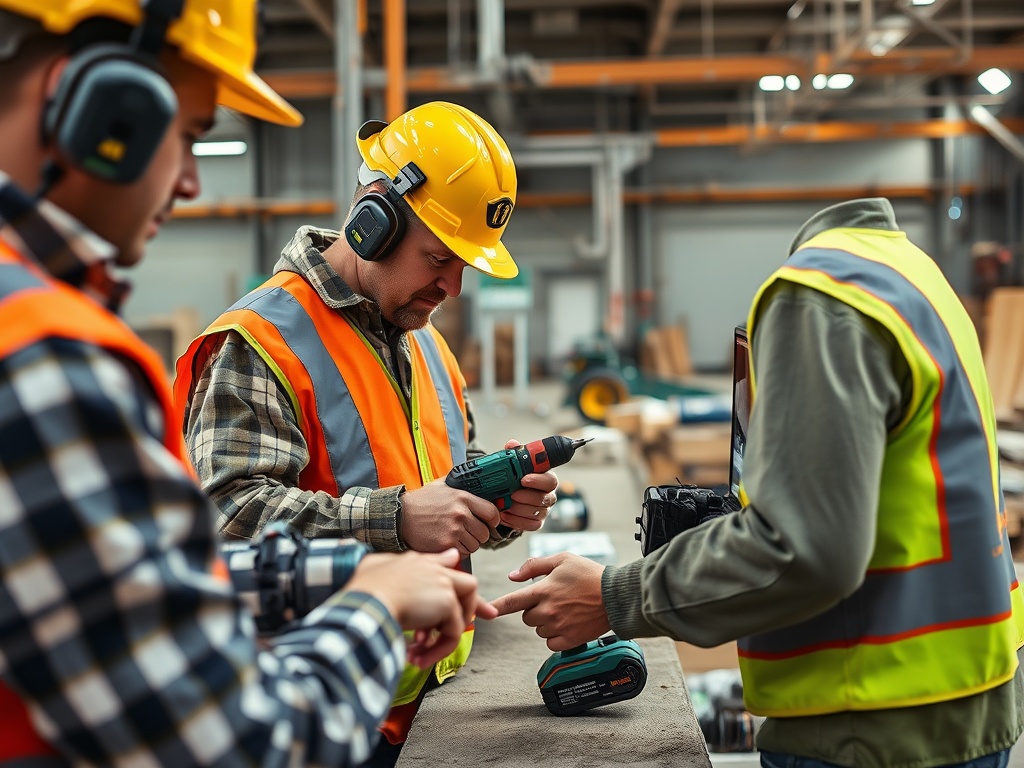
Field testing is where the standard becomes credible. Select representative crews from different trades, job sizes, and site conditions. Ask them to test proposed tools for power, weight, balance, vibration, dust control, battery life, accessory availability, storage fit, repair ease, and compatibility with existing methods. Capture feedback in a structured scorecard rather than a casual opinion poll.
NIOSH's material on hand-arm vibration exposure shows why tool selection can affect health, not just speed. CPWR's construction solutions page on ergonomic hand tools also highlights features such as non-slip handles, lighter materials, reduced gripping force, and better handle design. This does not mean every tool must be the lightest or newest. It means productivity and safety should be evaluated together.
Crews should also identify exception cases. A roofing crew working on large-span industrial facilities may need seam tools, moisture meters, hot-air welders, cutters, or safety equipment that other crews never use. A maintenance crew may need compact tools for tight mechanical rooms. A civil crew may prioritize ruggedness and dust resistance. Exceptions should be documented, not treated as rebellion.
Roll out the standard without slowing jobs
- Audit existing tools, batteries, consumables, repairs, losses, and downtime before buying anything.
- Group tools into keep, replace, retire, specialty, and project-only categories.
- Pilot the standard on a few crews and collect feedback on speed, safety, storage, and maintenance.
- Create checklists for tool inspection, charging, cleaning, return, and repair tagging.
- Train supervisors on when exceptions are allowed and how to document them.
- Measure results with practical indicators such as tool availability, repair turnaround, lost tools, battery shortages, and crew complaints.
Avoid standards that create workarounds
- Do not standardize a tool before confirming it can handle the material, duty cycle, and site conditions.
- Do not eliminate specialty tools simply because they are used by only one crew.
- Do not force battery consolidation if it leaves crews waiting for chargers or underpowered tools.
- Do not ignore maintenance and calibration; standard broken tools only standardize frustration.
- Do not roll out a system without storage, labeling, and accountability.
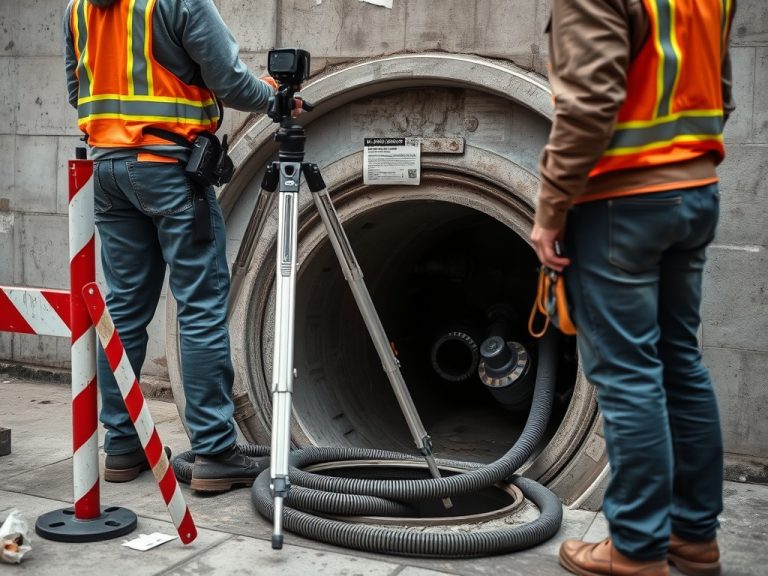
- Do not treat tool selection as separate from hazard planning, especially when crews perform tasks connected to confined space entry controls.
The rollout should also define ownership. Someone must decide who approves new tools, who removes unsafe tools, who manages repair vendors, who updates inspection checklists, and who reviews exception requests. Without ownership, the standard slowly becomes a suggestion. With clear ownership, crews can get replacements faster and supervisors can enforce the rules consistently.
A crew-centered rollout plan for standard tools
A balanced tool standard reduces choices where variation adds no value and preserves choices where field conditions matter. The program should make it easier for crews to find the right tool, use it safely, maintain it, and replace it without delay.
The next step is to run a 30-day tool audit. Track what crews actually use, what sits idle, what breaks, what gets borrowed, and what delays work. Use that evidence to create a core standard, a specialty exception list, and a maintenance routine. When crews see that the standard reflects real work, adoption becomes much easier.