Confined space entry mistakes that lead to serious incidents
The most dangerous confined space entry mistakes happen before a worker crosses the opening. If the team fails to recognize the space, test the atmosphere, control hazards, communicate duties, or plan rescue, a routine task can become life-threatening.
Confined Space Safety Takeaway: Serious confined space incidents often begin before entry, with poor recognition, weak atmospheric testing, unclear permits, or no rescue plan.
- Construction teams must identify confined spaces, classify permit-required spaces where applicable, train workers, control hazards, and plan rescue before anyone enters.
- This is safety-critical work, so teams must follow OSHA requirements, local rules, and competent professional guidance.
Mistake one: assuming the space is harmless
OSHA describes confined spaces in construction as areas such as manholes, crawl spaces, tanks, and similar spaces that are not designed for continuous occupancy and can be difficult to exit. Its confined spaces in construction overview also points to hazards including toxic substances, electrocution, explosion, and asphyxiation. The mistake is treating a familiar space as safe because the task is short or because no one has been hurt there before.
A space can become hazardous because of previous contents, welding, cutting, coatings, solvents, decaying material, nearby traffic, engulfment, electrical energy, moving parts, poor ventilation, or introduced equipment. A storm structure, vault, pit, crawlspace, duct, tank, or excavation-adjacent chamber can change from low concern to high risk when conditions change.
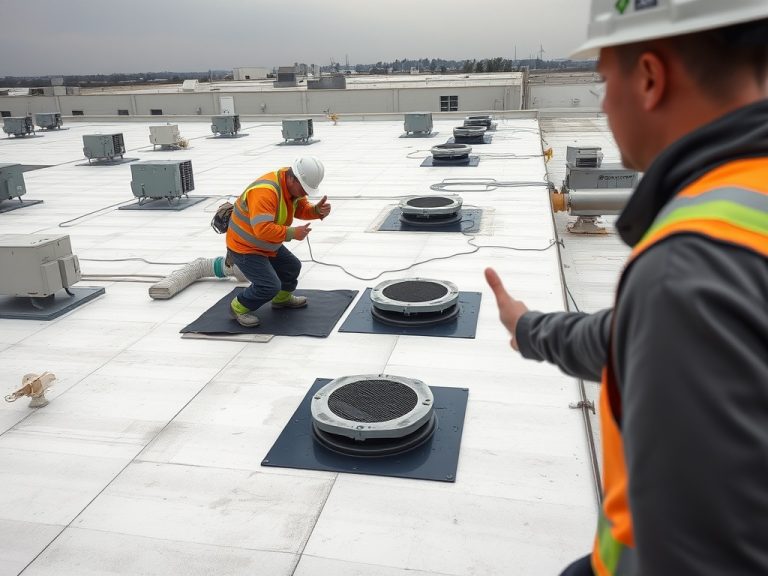
Recognition should happen during planning, not at the opening. Supervisors should ask which spaces meet the confined space definition, which may be permit-required, and which trades could create new hazards. Crews working on roofs, plumbing, utilities, or equipment should be especially alert because access routes and hidden spaces may overlap with roofing or building maintenance tasks.
Mistake two: weak testing and ventilation practices
Atmospheric hazards are a leading concern in confined spaces. Teams may test only once, test from the wrong location, use uncalibrated equipment, ventilate without confirming effectiveness, or ignore changes during the work. OSHA's Subpart AA for confined spaces in construction includes requirements for identifying hazards, permit-required confined space programs, permits, training, entrant duties, attendant duties, supervisor duties, and rescue planning.
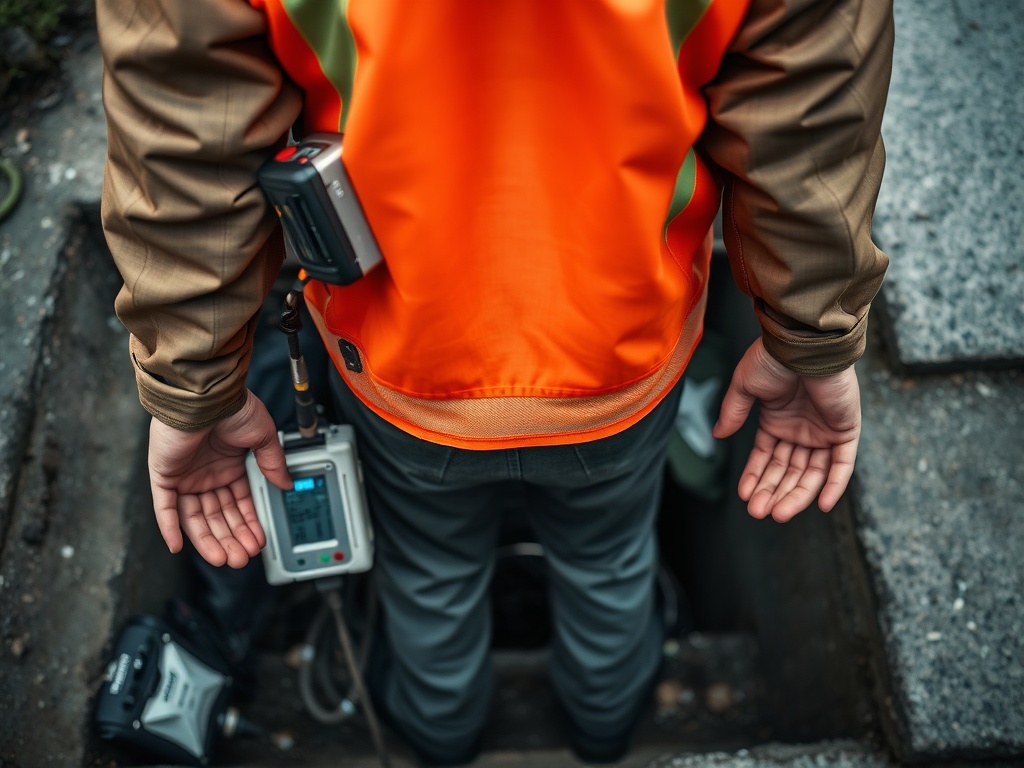
Testing should be performed by qualified personnel using suitable equipment and should account for stratification, oxygen levels, flammability, toxic gases, and changing conditions. Ventilation should not be treated as a magic fix. It must be suitable for the space, source, and hazard, and it must not introduce new hazards such as exhaust, noise, trip hazards, or electrical risks.
| Mistake | Why it is dangerous | Safer planning response |
|---|---|---|
| No pre-entry classification | The team may miss permit-required hazards | Identify and document spaces before work starts |
| One-time air test | Conditions can change during work | Use testing and monitoring appropriate to the hazard and permit |
| No attendant | Entrants may lose outside communication and support | Assign trained attendants with clear duties |
| Unplanned rescue | Would-be rescuers can become victims | Preplan rescue and verify response capability |
| Poor coordination | One trade can create hazards for another | Coordinate permits, lockout, ventilation, and communication across trades |
Mistake three: treating the permit as paperwork
A permit is not a formality. It should reflect the actual entry conditions, hazards, controls, authorized entrants, attendants, entry supervisor, testing results, communication methods, rescue provisions, isolation steps, and cancellation conditions. If the form is copied from a prior entry without field verification, it can give workers false confidence.
Field leaders should also understand that a permit does not remove the need for judgment. If conditions change, if a monitor alarms, if ventilation fails, if communication is lost, or if an unexpected hazard appears, the entry should stop and the space should be reassessed according to the applicable program. Tool and equipment choices should also support the plan; a disciplined approach to standardized tools across crews can help keep monitors, retrieval equipment, lighting, and ventilation accessories from becoming ad hoc decisions.
Mistake four: assuming emergency services are automatically ready
Rescue planning is one of the most serious weak points. OSHA's construction rule for rescue and emergency services requires employers who designate rescue services to evaluate the rescuer's ability to respond in a timely manner considering the hazards. Calling local emergency services without verifying capability, access, equipment, timing, and hazard familiarity may not satisfy the actual need.
NIOSH has long emphasized that confined space incidents can involve workers and rescuers. Its confined space topic material includes warnings and historic investigation themes that reinforce a hard truth: unplanned rescue can multiply casualties. Non-entry rescue methods, retrieval systems, standby arrangements, communication, and drills should be considered before entry begins.
Mistake five: poor change control during the work
- A welder begins hot work after the permit was issued for inspection only.
- A pump is added and changes exhaust, electrical, or trip hazards.
- A nearby process line is reopened while entrants are inside.
- Weather changes water levels or drainage flow into the space.
- A subcontractor enters the area without understanding the active permit.
- The crew loses radio communication but keeps working to finish quickly.
These changes should trigger reassessment. Confined space safety depends on controlling the actual conditions, not the conditions imagined during planning.
Training should include realistic examples from the types of spaces crews actually encounter. A toolbox talk that only describes tanks may not help a worker recognize a crawlspace, utility vault, storm structure, elevator pit, or mechanical shaft as a potential confined space. Supervisors should review near misses, explain why controls exist, and make clear that entry is not authorized simply because a worker can physically fit through the opening.
Refresher training should be scheduled when crews, site conditions, or work methods change, not only after an incident.
A safer entry culture starts before the permit
A safer confined space program begins with recognition. Maintain a site inventory where practical, mark known spaces, train supervisors to identify new spaces, and require a pre-entry review before work is assigned. Field crews should understand that stopping an entry because conditions changed is not a delay tactic; it is part of the safety system.
The next step is to review one recent or upcoming entry and ask five questions: Was the space correctly classified? Were hazards tested and controlled? Were entrant, attendant, and supervisor duties clear? Was rescue realistic? Was the permit updated when conditions changed? If any answer is weak, fix the program before the next entry.