Industrial roofing choices for large-span facilities
Industrial roofing choices for large-span facilities should be made by matching the roof system to the building's structure, operations, drainage, exposure, maintenance access, and future equipment needs. The best choice is not the material with the strongest sales pitch; it is the assembly that fits the facility's risk profile and can be maintained over its service life.
Large-Span Roofing Takeaway: Large-span facilities usually need low-slope roofing decisions based on structure, drainage, access, chemical exposure, energy goals, and maintenance capacity.
- No single membrane or panel system is automatically best; roof selection depends on the building use, climate, deck, warranty terms, and owner priorities.
- Early coordination helps avoid roof penetrations, ponding, equipment-service conflicts, and expensive late changes.
Why large-span roofs are different
Warehouses, manufacturing plants, logistics centers, arenas, and industrial campuses often have wide structural bays, long roof runs, heavy rooftop equipment, large drainage areas, skylights, smoke vents, solar arrays, and frequent service traffic. A small design issue can affect a large area. Ponding, wind uplift, membrane punctures, thermal movement, and poorly coordinated penetrations tend to scale up quickly on these roofs.
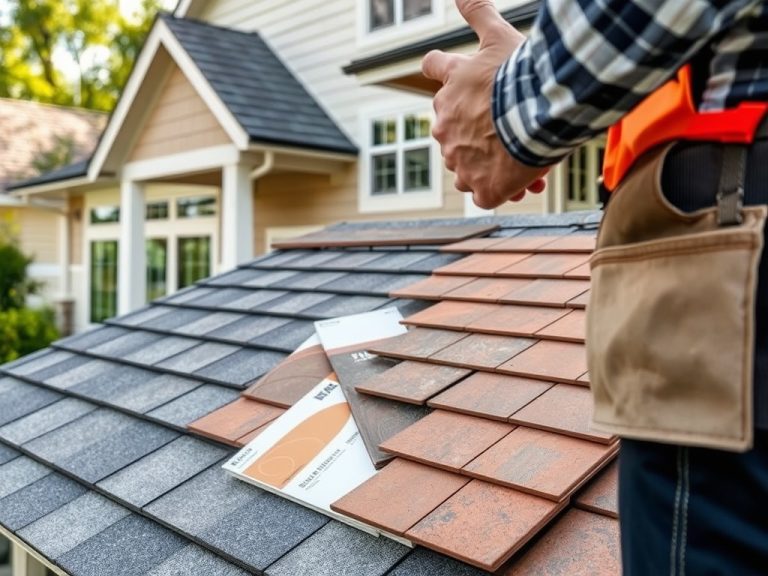
The National Roofing Contractors Association's guidance on low-slope membrane roof design highlights design considerations, membrane types, material standards, and performance criteria. For an owner, that means the roof decision should include the deck, insulation, vapor control, attachment method, slope, drainage, edge metal, traffic pads, service access, and maintenance plan, not only the visible roof covering.
Large-span facilities also have operational consequences. A roof leak above stored goods, food production, electrical equipment, or active manufacturing can create business disruption beyond the repair itself. That is why roof design should be discussed with operations, maintenance, safety, insurance, and construction teams before bids are locked. If the work is part of a larger project, the roof scope should align with industrial contract documents and specifications so bidders price the same assumptions.
Common options and where they tend to fit
| Roof option | Typical fit | Maintenance considerations |
|---|---|---|
| TPO single-ply | Large low-slope roofs where reflectivity and heat-welded seams are priorities | Seam inspection, puncture control, rooftop traffic management, and manufacturer-specific repair methods |
| PVC single-ply | Facilities with certain chemical or grease exposures, subject to product compatibility | Chemical exposure review, weld quality, and careful coordination around exhaust areas |
| EPDM single-ply | Low-slope roofs where flexibility and proven field history are valued | Seam and flashing condition, ballast or attachment checks, and puncture response |
| Modified bitumen | Roofs needing layered redundancy or compatibility with certain repair practices | Lap condition, surfacing wear, flashing details, and heat or cold application constraints |
| Standing-seam metal | Sloped industrial roofs or architectural industrial facilities | Thermal movement, fasteners, sealants, panel penetrations, and corrosion exposure |
| Coating/restoration | Existing roofs with suitable substrate condition and remaining service value | Substrate testing, dry roof verification, thickness control, and recoat planning |
This table is a planning lens, not a ranking. A roof system that works well on one warehouse may be a poor fit for a facility with oil exhaust, freezer operations, high winds, aggressive chemical vapors, heavy service traffic, or difficult drain access. Manufacturers, roofing consultants, and qualified contractors should verify compatibility with the deck, insulation, attachment pattern, fire classification, wind design, and local code requirements.
Energy goals add another layer. ENERGY STAR explains that cool roof materials can include membranes, shingles, coatings, metal, and tile with high solar reflectance. For industrial buildings, reflectivity may support cooling-load goals in some climates, but it should be weighed against condensation risk, interior humidity, snow behavior, glare, rooftop equipment performance, and maintenance practices.
Decisions that affect cost long after installation
Drainage deserves early attention. Large roofs need positive drainage paths, properly located drains, overflow provisions, and details that reduce ponding risk. When roof slope is minimal, even small deflections, insulation layout errors, clogged strainers, or blocked scuppers can leave water standing. Maintenance teams should have safe access to drains and know which drains serve which roof areas.
Rooftop traffic is another long-term issue. Industrial roofs often carry HVAC technicians, refrigeration contractors, solar crews, electricians, and maintenance staff. Without walk pads, access routes, tie-off planning, and penetration discipline, the owner may spend years repairing damage caused by normal service activity. This is where roof selection connects with project controls: if access paths, curbs, and equipment screens are added late, the owner may face added cost through change order negotiations.
Fire, smoke, and structural coordination also matter. Some industrial facilities include fire-rated assemblies, smoke vents, fireproofed steel, or special occupancy requirements. When the roof assembly interfaces with protected steel or rated construction, coordinate the details with the team responsible for steel fireproofing applications so one trade does not compromise another trade's tested assembly or inspection sequence.

Questions to ask before selecting the system
- What is the existing or proposed roof deck, and does it support the attachment method, insulation build-up, and future loads?
- Where will water go during normal rain, extreme rain, snow melt, or drain blockage?
- Which chemicals, grease, heat, exhaust, or process conditions will the roof encounter?
- How often will technicians need to cross the roof, and where should protected paths be placed?
- What warranty exclusions, maintenance obligations, and inspection records will the owner need to manage?
- How will future solar, mechanical, safety, or tenant changes be handled without cutting the roof repeatedly?
Owners should also ask how the roof will be inspected after handoff. Some warranties require documented inspections or prompt repairs after storms, equipment work, or accidental damage. Even when a warranty does not require a specific format, a simple roof log with photos, drain-cleaning dates, leak reports, repair tickets, and equipment-service notes can help the team separate new damage from recurring conditions. That record becomes especially useful when multiple contractors access the roof over several years.
A roof selection lens for large-span buildings
A large-span industrial roof should be selected as a maintainable assembly, not as a line item. Start with the building use, then work through exposure, drainage, equipment, access, structural limits, and documentation. Ask bidders to state assumptions clearly so the owner can compare complete assemblies instead of partial scopes.
The most useful next step is a roof decision matrix that scores each option against facility-specific criteria: leak consequence, maintenance access, expected rooftop traffic, drainage complexity, energy goals, chemical exposure, repair familiarity, and compatibility with future equipment. That process will not guarantee a perfect roof, but it will make the tradeoffs visible before construction starts.