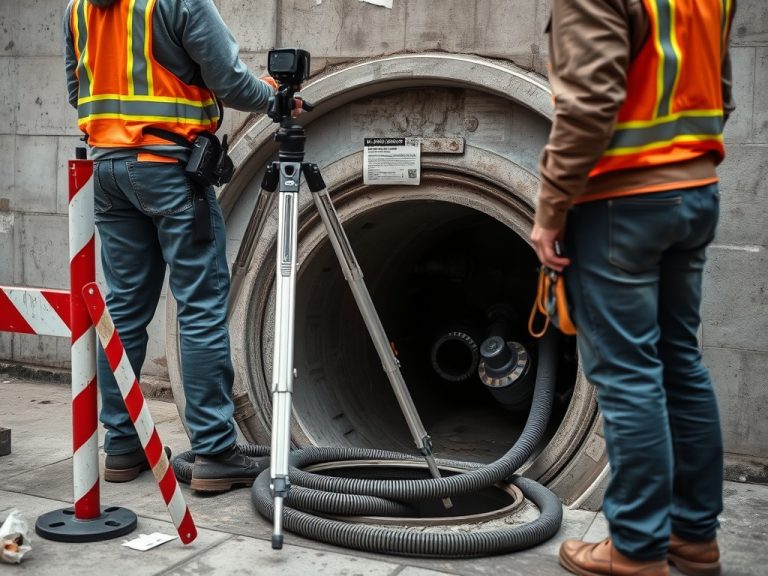
Commercial plumbing basics: supply, waste, vent, and backflow
Commercial plumbing is built around four connected responsibilities: deliver potable water, remove wastewater, keep drainage pressure stable through venting, and protect clean water from backflow. For owners and facility teams, the useful starting point is understanding how those responsibilities interact before approving repairs, tenant changes, or shutdowns.
Plumbing Takeaway: Commercial plumbing is not one pipe network; it is a coordinated set of supply, drainage, venting, and backflow protections.
- The safest maintenance choices start with knowing which part of the system a fixture, valve, cleanout, or testable assembly belongs to.
- Code requirements vary by jurisdiction, so owners should use this guide as a practical orientation, not as a substitute for licensed design or inspection.
The four functions that keep a building usable
The supply side brings potable water from the service entrance to fixtures, equipment, hose bibbs, water heaters, and process connections. In a small office this may feel straightforward, but commercial buildings often add pressure zones, booster pumps, tempering valves, isolation valves, meters, and dedicated branches for kitchens, laboratories, clinics, irrigation, or mechanical rooms. The 2024 International Plumbing Code separates water supply, sanitary drainage, venting, and related systems because each has different design assumptions and inspection concerns.
The waste side removes used water and solids through branch piping, stacks, building drains, grease interceptors, sump systems, ejectors, and building sewers. Waste piping relies on slope, pipe sizing, cleanout access, and proper fixture connections. A recurring stoppage is not only a maintenance inconvenience; it may indicate poor slope, overloaded lines, grease control problems, damaged pipe, or a tenant use that no longer matches the original design.
Venting is easy to overlook because it is mostly hidden, but it protects trap seals and helps drainage flow without pulling water out of fixtures. When vents are blocked, undersized, improperly connected, or altered during renovations, occupants may report sewer odors, slow drainage, bubbling fixtures, or inconsistent performance after high-use periods.
Backflow protection prevents nonpotable water, chemicals, boilers, irrigation lines, fire systems, or process equipment from contaminating the potable supply. The EPA describes cross-connections as actual or potential connections between potable water and nonpotable plumbing, and its cross-connection control guidance explains why backflow prevention is a public health issue rather than just a maintenance task.
A practical map for owners and facility teams
| System area | What it controls | What maintenance teams should verify |
|---|---|---|
| Supply | Flow, pressure, temperature, isolation, and fixture delivery | Valve access, pressure complaints, corrosion, leaks, water heater connections, and records of recent shutoffs |
| Waste | Removal of wastewater, solids, grease, and condensate | Cleanout access, recurring blockages, pipe slope concerns, interceptor maintenance, and tenant-specific discharge risks |
| Vent | Air movement that protects traps and supports drainage | Odor complaints, blocked roof penetrations, changes made during remodels, and fixtures that gurgle under load |
| Backflow | Protection of potable water from reverse flow | Inventory of assemblies, test records, hazard category, isolation valves, and access for certified testers |
For routine maintenance, the best first step is an asset inventory that identifies what the building actually has. Many facilities have accurate equipment lists for HVAC but poor plumbing records. Add backflow assemblies, cleanouts, grease interceptors, sump pumps, mixing valves, water heaters, expansion tanks, irrigation connections, and special equipment connections to the register. If your team is also trying to improve field consistency, the same organizing habits used in standardized tool systems across crews can be applied to valve tags, test kits, maintenance carts, and plumbing spare parts.
Next, separate symptoms from root causes. Low pressure at one fixture may be a clogged aerator; low pressure across a zone may involve a pressure-reducing valve, booster pump, partially closed isolation valve, or undersized branch. A floor drain odor may be a dry trap, but it can also point to poor venting, negative pressure, or an abandoned line. A single backed-up restroom may be a local blockage, while repeated backups at the same time of day may show a capacity or use pattern issue.
Where commercial buildings get into trouble
One common mistake is treating tenant plumbing changes as small finish work. A coffee bar, dental suite, food prep space, lab sink, or washing equipment may add flow, temperature, waste, vent, grease, chemical, or backflow concerns. A fixture swap can also affect accessibility, shutoff locations, wall ratings, and maintenance access. When such changes are not coordinated in the drawings and specifications, the issue often becomes a documentation problem as much as a plumbing problem. Clear scope language and the right exhibits in common construction contract documents reduce the chance that hidden plumbing work is discovered after walls are closed.
Another mistake is letting backflow records live only with the tester or water provider. Facility teams should know which assemblies are testable, what they protect, where they are located, which valves isolate them, and when access is restricted by operations. ASSE International notes that backflow prevention credentials are tied to standards-based training and testing; the practical point for owners is to use qualified people and keep test documentation easy to retrieve through recognized backflow prevention programs.
A third issue is poor shutdown planning. Plumbing work can affect restrooms, kitchens, medical spaces, process water, fire protection interfaces, and tenant operations. Even a short isolation can trigger complaints when occupants do not know which fixtures are affected or when water quality flushing is required after service is restored.
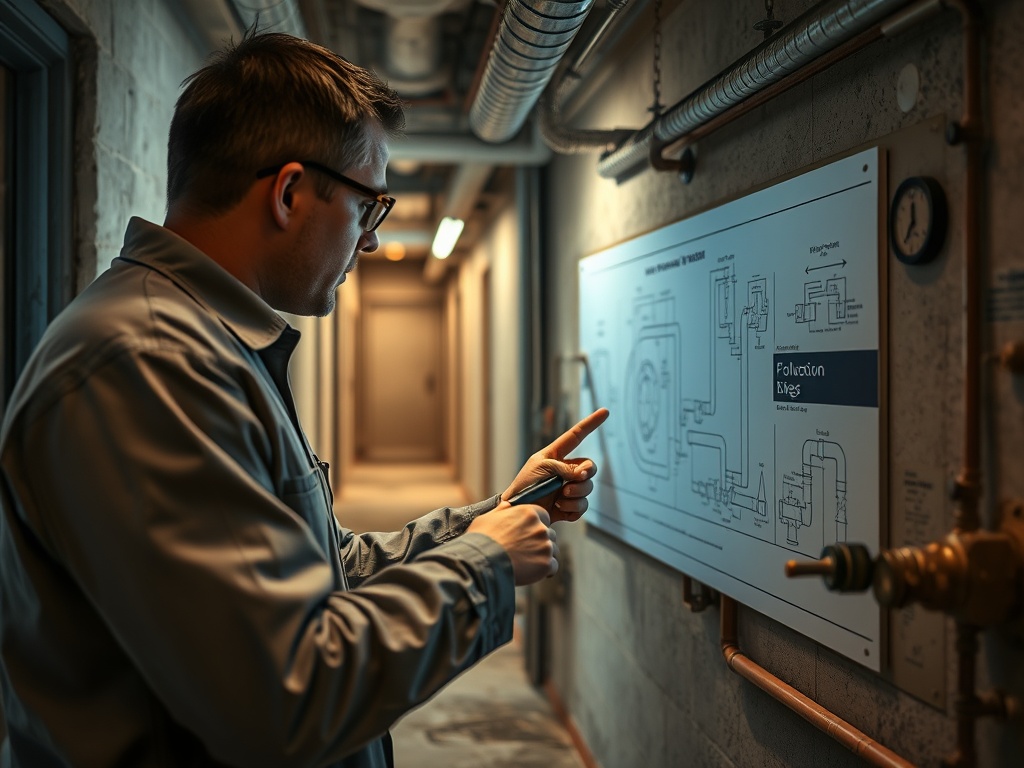
For multi-tenant buildings, also decide how plumbing information will be shared during service calls. A property manager may know about a restroom complaint, while the maintenance lead knows about a valve issue and a tenant knows about new equipment. Bringing those clues together helps the plumber diagnose the system rather than treating each call as an isolated fixture problem.
A plumbing checklist facilities teams can act on
- Maintain a current riser diagram or practical field sketch showing major valves, stacks, cleanouts, pumps, and backflow assemblies.
- Tag isolation valves and confirm that staff know what each valve actually shuts down before an emergency occurs.
- Record recurring stoppages by date, location, weather, tenant activity, and fixture group so patterns are visible.
- Review plumbing implications before approving tenant equipment, food service changes, lab fixtures, irrigation, or hose connections.
- Keep backflow testing, repair, and replacement records with the building maintenance file, not only with an outside vendor.
Commercial plumbing decisions should be made with licensed plumbers, engineers, inspectors, and local authorities where required. Use this article as a working framework for better questions, clearer records, and safer maintenance planning. The next practical step is to walk the building, identify every isolation valve and testable backflow assembly, and compare the field conditions against your drawings and maintenance files.